Happenings
Malaysia Recognised as a Regional Benchmark for Better-Welfare Cage-Free Egg Production
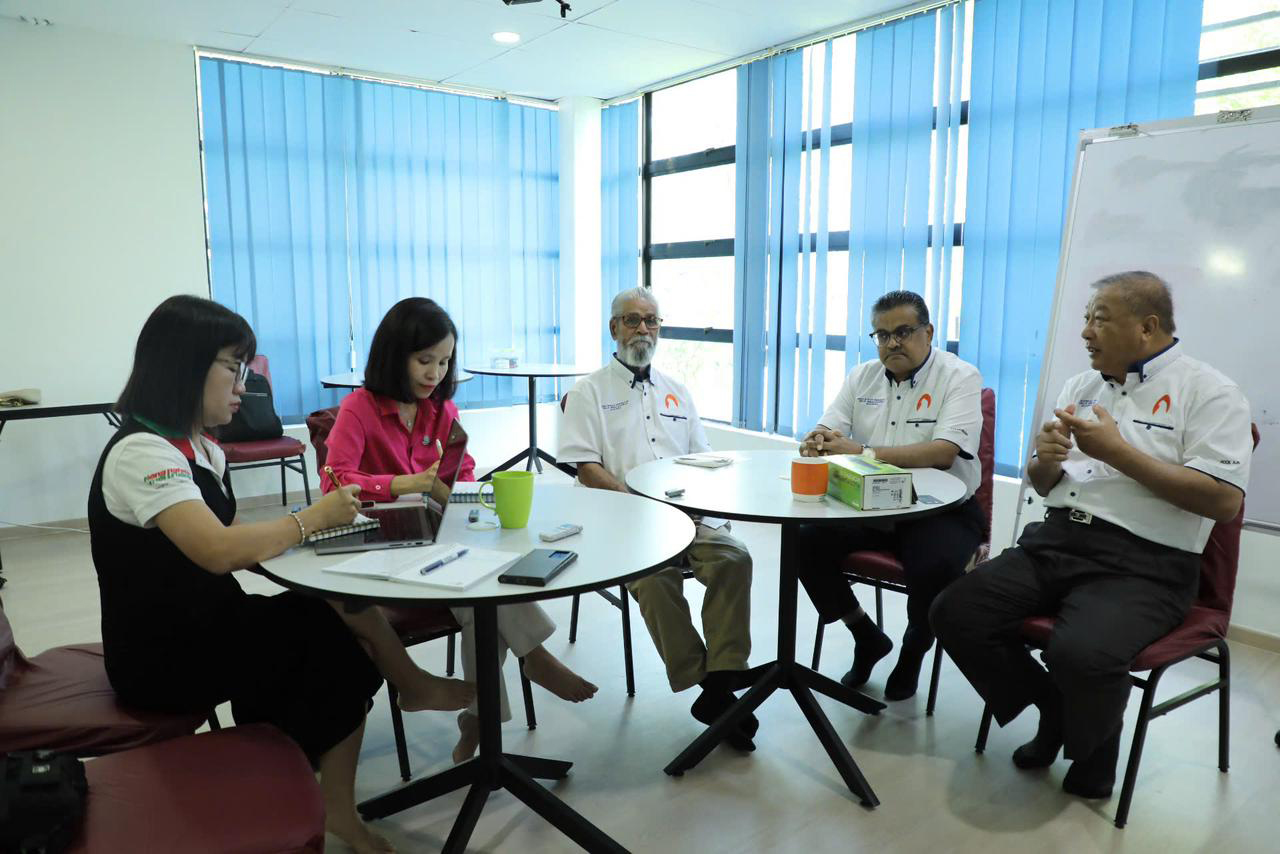
KUALA LUMPUR, MALAYSIA — Malaysia has been increasingly recognised as a regional benchmark for better-welfare cage-free egg production, following a technical and media visit by Vietnam state-owned media representatives, who engaged directly with key industry stakeholders, producers, retailers, and animal welfare leaders across the country.
The visit highlighted Malaysia’s structured and science-based transition toward better-welfare egg production systems, which has drawn growing attention from regional economies including Vietnam, Taiwan, Bangladesh, India, and the Republic of Korea in 2025. These countries have expressed strong interest in Malaysia’s cage-free development pathway as they explore strategies to modernise their own egg sectors.
The regional engagement was facilitated with support from Humane World for Animals, led in Southeast Asia by Hang Le, Program Director, Farm Animal Welfare.
“Malaysia stands out because it has built an ecosystem — not just farms, but veterinarians, processors, retailers, and policymakers working together,”said Ms Hang Le.
“This is what makes Malaysia a reference point for countries looking to move toward better-welfare egg production in a practical and scalable way.”
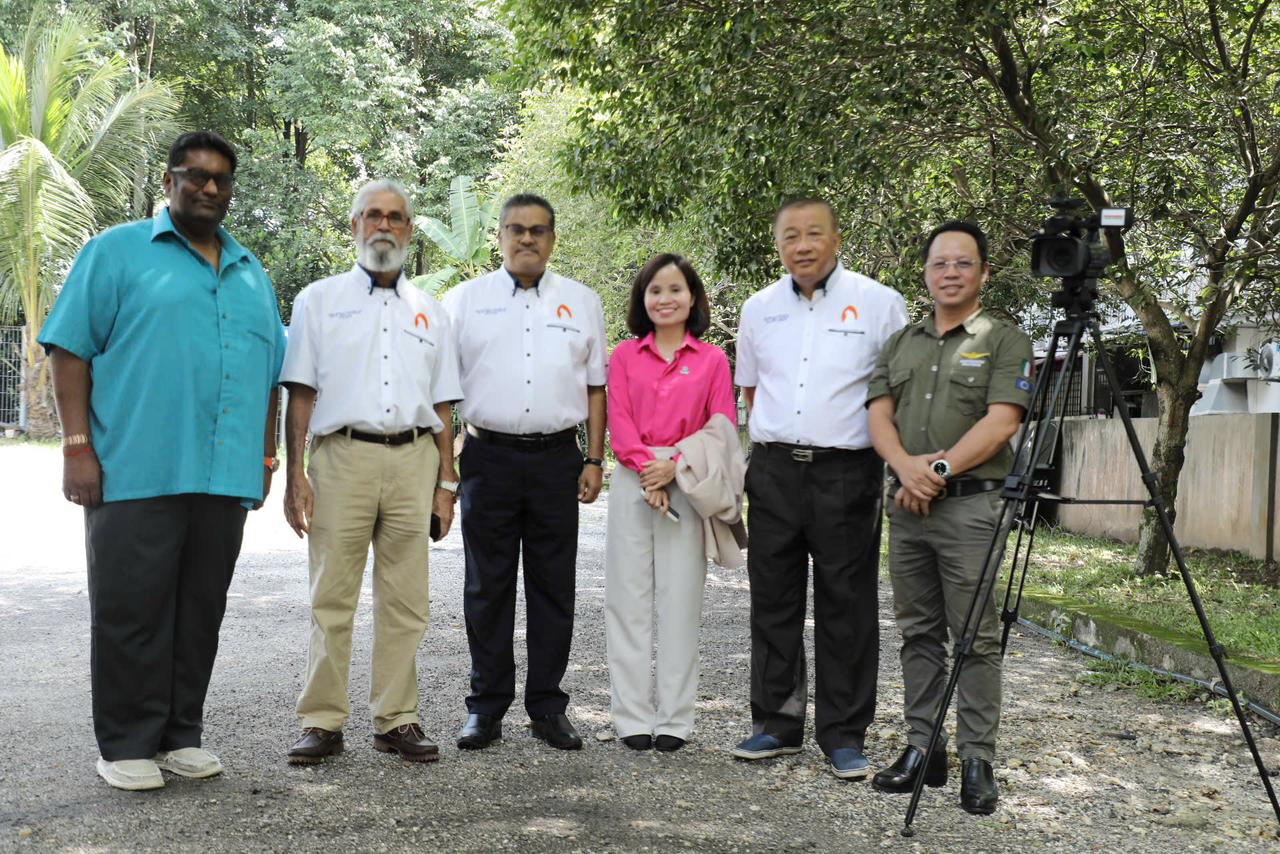
During the visit, Vietnam state-owned media representatives and regional observers visited MCFEPO member farms, modern cage-free production facilities, and downstream supply-chain partners, including AEON Co., Jaya Grocer, TC Farm, and the Huat Lai Liquid Egg Processing Plant, one of Malaysia’s largest cage-free egg processing operations.
Saravanakumar S. Pillai, Senior Advisor to Humane World for Animals Malaysia, highlighted the country’s progress in cage-free advocacy.
“Malaysia has made clear and measurable progress in advocating for cage-free and better-welfare egg production through sustained engagement, capacity building, and technical guidance,” he said.
“This progress reflects a strong foundation built on science, veterinary leadership, and industry collaboration, which is critical for long-term and credible welfare advancement.”
From an industry leadership perspective, Meor Ezree, Chairman-Elect of the Malaysia Cage-Free Egg Production Organisation (MCFEPO), emphasised the organisation’s role in driving sector-wide transition.
“MCFEPO plays a central role in advancing better-welfare egg production in Malaysia by bringing together producers, retailers, processors, and technical partners,”he said.
“Our focus is to ensure that the transition to cage-free systems is structured, inclusive, and aligned with both welfare objectives and market realities.”
At the producer level, Tiew Siew Sien, Managing Director of TC Farm, shared insights from on-the-ground implementation.
“Transitioning to cage-free is a journey that requires careful planning, investment, and continuous learning,”she said.
“Malaysia’s experience shows that better-welfare systems can succeed at commercial scale when producers receive the right technical support and market alignment.”
Malaysia’s cage-free progress is supported by a diverse producer landscape serving different market segments. Large-scale commercial producers such as Huat Lai and TC Farm anchor national supply and processing capacity, while mid-scale producers like Katy Agro Farm reflect the growing adoption of cage-free systems among transitioning farms.
The ecosystem also includes fee-range and community-oriented producers, such as Liang Kee, which help ensure that better-welfare eggs remain accessible to a broader consumer base. In addition, niche and values-driven producers including Uncle Rani Chicken and Regenerative Farm contribute free-range and regenerative farming models, supporting ethical consumption and sustainability innovation.
The presence of Vietnam state-owned media at these facilities reflects rising regional interest in responsible food production, animal welfare advancement, and supply-chain transparency. Malaysia’s integrated cage-free ecosystem — spanning farms, processors, retailers, and advocacy organisations — offers a practical reference model for countries seeking to modernise their egg industries while responding to evolving consumer and corporate expectations.
As Asia continues to strengthen food security and sustainability, Malaysia’s experience demonstrates that better animal welfare, economic viability, and regional cooperation can advance together. Stakeholders anticipate that Malaysia will continue to play a leading role in regional knowledge sharing, technical cooperation, and policy dialogue on better-welfare cage-free egg production.