Happenings
Malaysia Poised to Become Southeast Asia’s Leading Cage-Free Egg Producer with 25% National Target by 2050
21 July 2026 – Malaysia is well positioned to become Southeast Asia’s leading producer of cage-free eggs, with growing consumer demand, expanding corporate adoption, supportive government engagement and increasing industry readiness creating the momentum needed to transform the country’s egg sector. Speaking at the Global Animal Veterinary and Industry Summit (GAVIS) 2026, Dr. Saravanakumar S. Pillai, Senior Principal, Policy and Engagement for Farm Animal Welfare, unveiled a long-term vision for Malaysia to transition 25% of the nation’s egg production to cage-free systems by 2050, positioning the country as a regional leader in sustainable food production and better animal welfare.
Malaysia’s cage-free journey has progressed significantly over the past few years. What began as a niche concept has evolved into a commercially viable industry supported by progressive egg producers, financial institutions, retailers, hospitality operators, government agencies, researchers and technical experts. Commercial aviary farms are now operating successfully, supported by national cage-free guidelines, producer training programmes, model farms and ongoing collaboration between the Department of Veterinary Services and the Department of Standards Malaysia to develop a Malaysian Standard for Cage-Free Egg Production. These developments have established the foundation needed to scale cage-free production across the country.
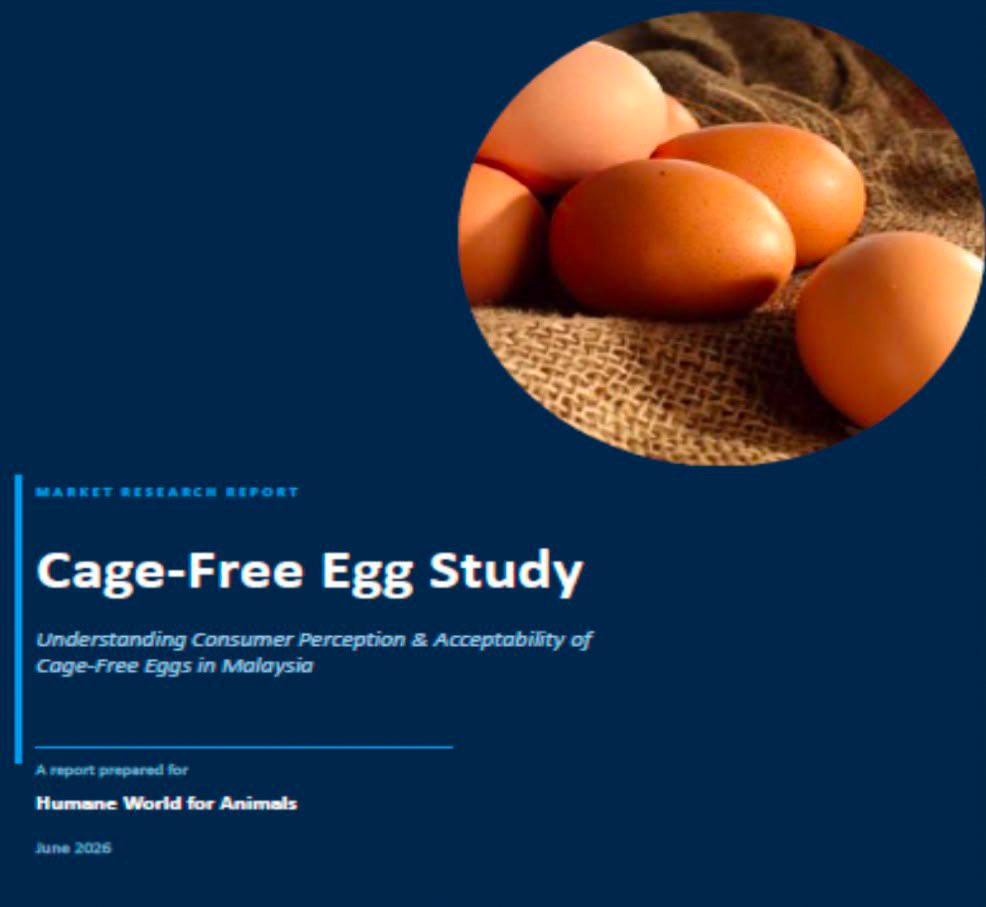
Consumer demand is equally encouraging. Malaysia’s first nationwide NIQ consumer market survey on cage-free eggs found that 83% of Malaysians have a positive perception of cage-free eggs, while 90% intend to purchase cage-free eggs in the future. Nearly two-thirds (62%) are willing to pay more for cage-free eggs, demonstrating growing appreciation for responsibly produced food. The survey also showed that 90% believe farm animals deserve humane treatment, 89% support improvements in animal welfare, and 89% support stronger animal welfare legislation. Public support for government action was equally strong, with 88% supporting financial assistance for producers, 85% favouring dedicated funding for cage-free farming, 78% supporting tax incentives, and 74% supporting future legislation promoting cage-free production. These findings demonstrate that Malaysian consumers are ready to support the transition towards more responsible egg production.
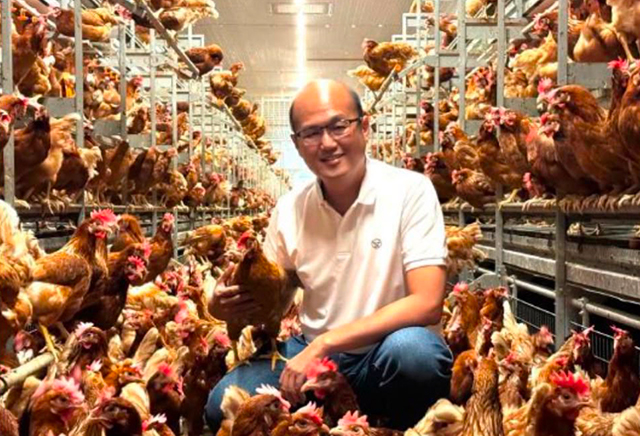
The market is already responding to this demand. Malaysia currently produces close to 150,000 Certified Humane cage-free eggs each day, supplied by leading producers including Huat Lai Farming, Teong Choon Poultry Farm (TC Farm), Liang Kee Farming, together with several progressive small-scale producers. At the same time, leading hospitality companies are demonstrating that large-scale adoption is commercially achievable. Ascott Malaysia, Mandarin Oriental Kuala Lumpur and Grand Hyatt Kuala Lumpur have successfully achieved 100% cage-free egg implementation, while Hilton Hotels Malaysia has reached close to 95% implementation across participating properties. Several multinational hospitality and food service brands have also surpassed 50% implementation, providing producers with greater market confidence and encouraging continued investment in cage-free production.
Looking ahead, Dr. Saravanakumar proposed a strategic roadmap to accelerate Malaysia’s transition towards achieving the 25% cage-free production target by 2050. Key recommendations include targeted tax incentives for producers investing in cage-free housing systems, expansion of special low-interest sustainable financing to support farm conversion, and government policies that encourage all newly established commercial layer farms to adopt better animal welfare production systems. He also highlighted the importance of finalising the Malaysian Standard for Cage-Free Egg Production, strengthening producer training, expanding technical support and continuing collaboration between government, industry and financial institutions to ensure the transition remains commercially sustainable.
“Malaysia has reached a defining moment in its cage-free journey. We now have the production capacity, technical expertise, consumer confidence and corporate demand needed to accelerate this transformation. Our vision is to transition 25% of the nation’s egg production to cage-free systems by 2050 and position Malaysia as Southeast Asia’s leading hub for sustainable egg production and better animal welfare. With the right policy support, investment incentives and continued collaboration across the value chain, this ambition is both realistic and achievable,” said Dr. Saravanakumar S. Pillai.
He added that Malaysia’s egg industry has already achieved a high level of national self-sufficiency, making this an appropriate time to shift from increasing production volume towards creating higher-value production systems that complement the aspirations of the Animal Welfare Act 2015. Expanding cage-free production will strengthen Malaysia’s ESG credentials, create new investment opportunities, and improve access to premium export markets in Europe and other developed economies, where demand for Certified Humane and responsibly produced eggs continues to grow. By moving beyond self-sufficiency towards value-added production, Malaysia can strengthen its international competitiveness while establishing itself as a regional benchmark for sustainable and responsible egg production.
Media Contact
Dr. Saravanakumar S. Pillai
Senior Principal, Policy and Engagement for Farm Animal Welfare
Humane World for Animals
Email: spillai@humaneworld.org
Mobile: +60 12-500 6316”
Together, we tackle the root causes of animal cruelty to create permanent change. Stay up to date with our work to help animals and follow us on Facebook, Instagram, X, YouTube and subscribe to our blog